
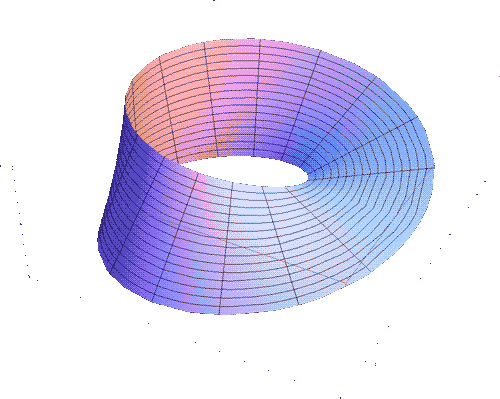
As such, Zen maintains a stance of “not one” and “not two,” that is “a positionless position,” where “not two” means negating the dualistic stance that divides the whole into two parts, while “not one” means negating the nondualistic stance occurring when the Zen practitioner dwells in the whole as one, while suspending judgment in meditation. The free, bilateral movement between “not one” and “not two” characterizes Zen’s achievement of a personhood with a third perspective that cannot, however, be confined to either dualism or non-dualism, neither “not one” nor “not two”.